I remember it being a crisp spring day in 2010; I was finishing my sophomore year at St. John’s University. My roommate’s fraternity had to host a last-minute philanthropy event on campus and they chose to hold a Bone Marrow Donor drive. So there I was, walking across the campus to meet my friends for lunch and I heard my friend calling my name while standing in front of a TV tray table waving furiously at me to come over. When I approached, he told me what they were doing and asked if I would register. He said that they had not been that successful and I would probably never be contacted. I then filled out a form, swabbed my cheek, and was once again on my way to lunch.
My sophomore year ended and my junior year blew by. It really wasn’t until senior year that I felt I finally had this college thing figured out. One morning, sometime in November, I noticed that I had a missed call and message from a number that I did not recognize. I ignored it and went about my day. I received another call from the same number and finally answered out of curiosity. The woman on the line told me that I had matched and could possibly give someone a second chance at life. She began telling me about bone marrow, needles, extraction, shots, and hospital visits. It was very overwhelming. When I registered, I did not receive much information and was told that I probably would never be contacted. The biggest factor for me when deciding to proceed with donating was the thought that somewhere in the world was someone who was very sick and needed me. I instantly agreed and asked for the next steps.
The next steps involved making sure I was healthy and a viable candidate for donation. I went to a lab for some blood work and then to Memorial Sloan Kettering for a thorough physical. Everything went well but the timing of the donation changed the location because I was going home to Rhode Island for winter break. The fantastic team I worked with was able to arrange my donation to take place at the Rhode Island Blood Center the week of Christmas. I was excited to finally donate but a week prior to my donation, I shattered a bone in my right arm and the injury required a hard cast. I called my coordinator to let her know and thankfully my veins were still accessible with the cast in place.
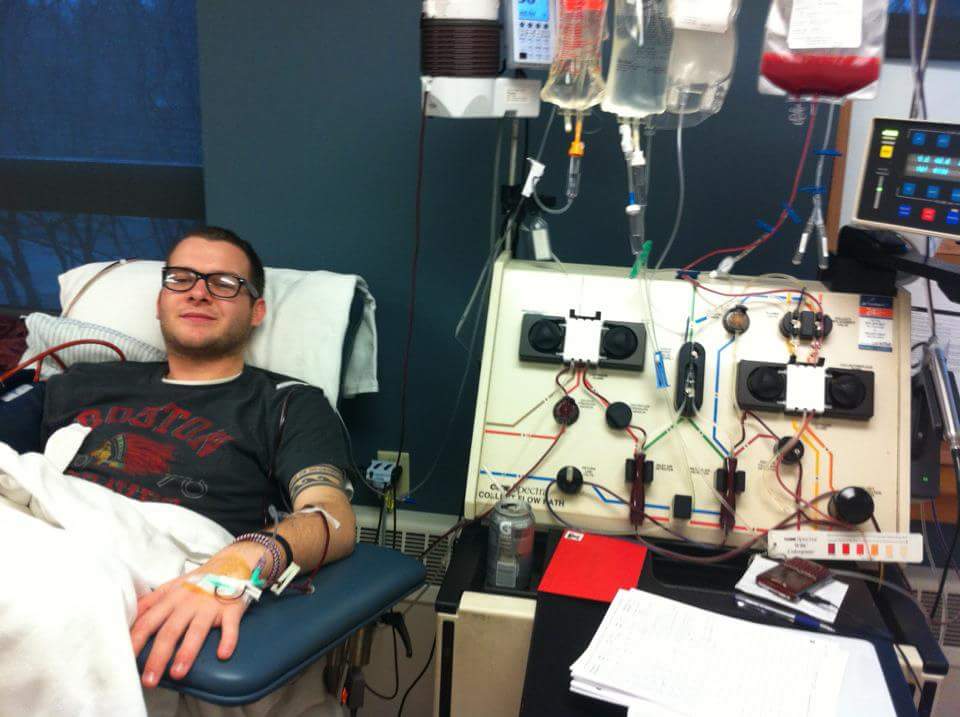
The last steps leading up to my Peripheral Blood Stem Cell donation was to receive a series of shots of a synthetic protein to boost my stem cell counts. Because these injections made my body work at an accelerated rate, I felt slow-moving and a bit achy. I had four daily injections and on the fifth day, I went to the Rhode Island Blood Center for the collection. The collection process itself was actually pretty boring. I lay back in a chair as my stem cells were collected from my blood. The eight-hour collection went by fairly fast with a chatty medical team. As I was leaving that evening, my coordinator let me know that the recipient of my donation would be receiving my cells on Christmas morning.
About a year after my donation, I received a letter in the mail from my recipient letting me know that the transplant was a success. He told me that he had wanted to travel the country with his wife as he had just retired, but his plans were on hold so he could fight leukemia. He was happy to inform me that the plans were back on and he and his wife would soon be setting out on their journey. It was amazing to get an update and I was very happy that I was able to help him to fulfill his dream.
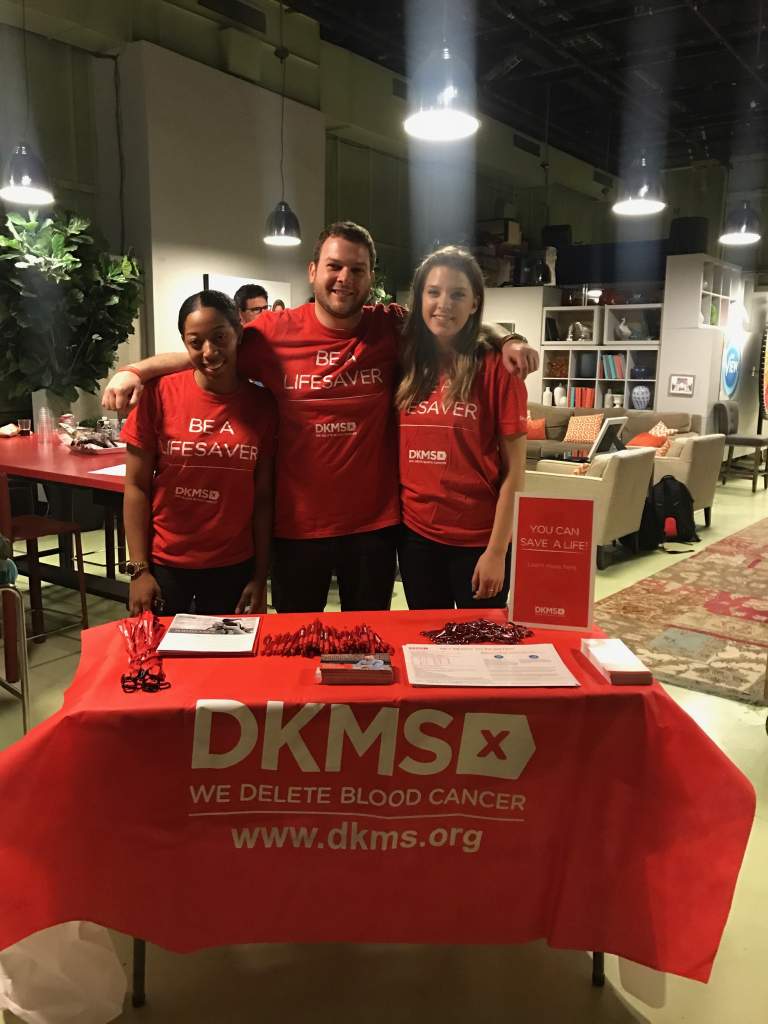
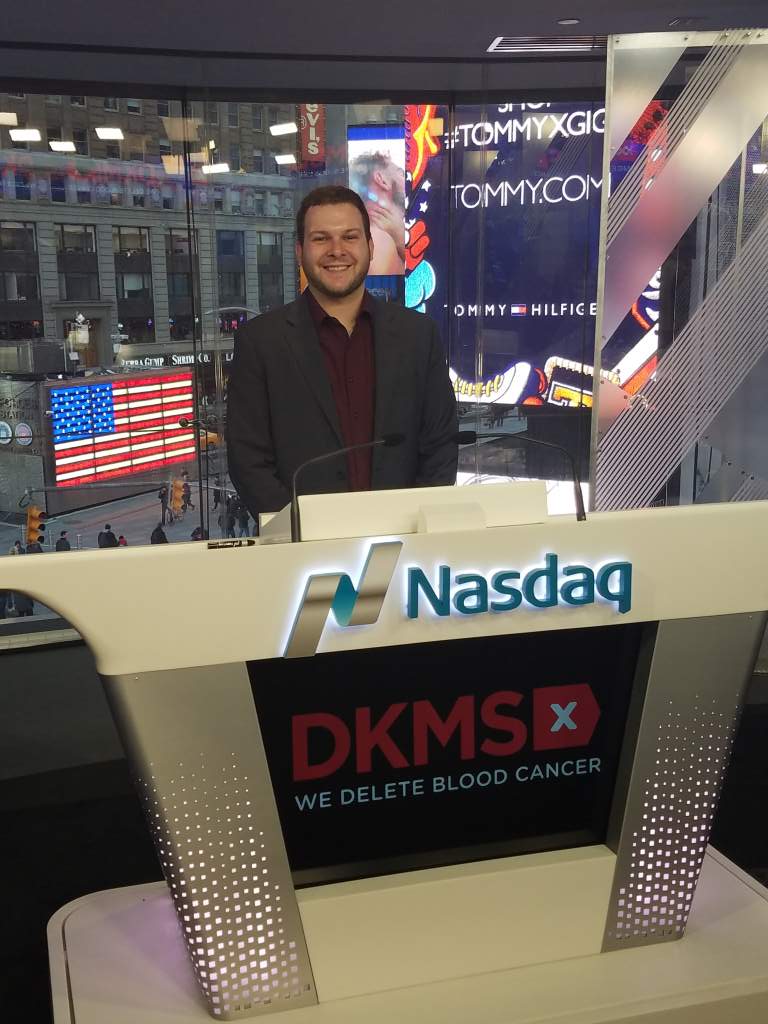
I thought that my journey in bone marrow donation was over at that point and I began working in career education for teenagers. One day, I found a job posting by DKMS for a donor recruitment coordinator. I instantly jumped at this career path. Long story short, I have been at DKMS for two years recruiting more potential bone marrow donors. Sometimes I think that I got more out of the donation than the person who received my cells.